






IN THE NEWS:
California
Oct. 27, 2026 9:22 p.m.
(Evanceline Tang/Daily Bruin)
Californians will vote this November on whether to expand the state’s budget reserves.
Proposition 2, which will appear on the November ballot, was introduced by Democrat state legislators.
By Kyan Wang

A Closer Look
Oct. 27, 2026 5:21 p.m.Ahead of the 2026 midterm elections, a UCLA class is exploring how music artists are shaping civic engagement across the United States.
In “Music 19: Pro-Democracy Music: Patriotic or Protest?” students learn how artists such as Ludwig van Beethoven, Bob Dylan and Beyoncé have used music to express their patriotism and voice their opinions about the government.
By Alisha Hassanali

California
Oct. 26, 2026 10:12 p.m.There’s more than one way to vote in the midterms. Here’s what to know
UCLA students can cast their ballots at a variety of locations in the Nov. 3 midterm elections, regardless of their current registration status.
Students who are registered to vote in Los Angeles County can vote at polling stations around Westwood and on campus, including at Ackerman Union, De Neve Plaza and the Hammer Museum.
By Rune Long

California
Oct. 26, 2026 7:12 p.m.Here’s what students need to know about Proposition 40’s one-time billionaire tax
When California voters head to the polls this November, they will decide whether to impose a tax on California’s billionaires.
Proposition 40 seeks to impose a one-time, 5% tax on the total net worth of all billionaires living in California – up to 255 people – as of Jan.
By William Gauvin

Campus
Oct. 26, 2026 5:36 p.m.‘You’re not alone’: LA Cancer Challenge sees runners race for loved ones
Runners and volunteers painted Westwood purple for the 29th annual Los Angeles Cancer Challenge 5K Walk/Run on Sunday.
The run, organized by the Hirshberg Foundation for Pancreatic Cancer Research, raised more than $800,000 for pancreatic cancer research, surpassing its original funding goal of $750,000.
By Bettina Wu

A Closer Look
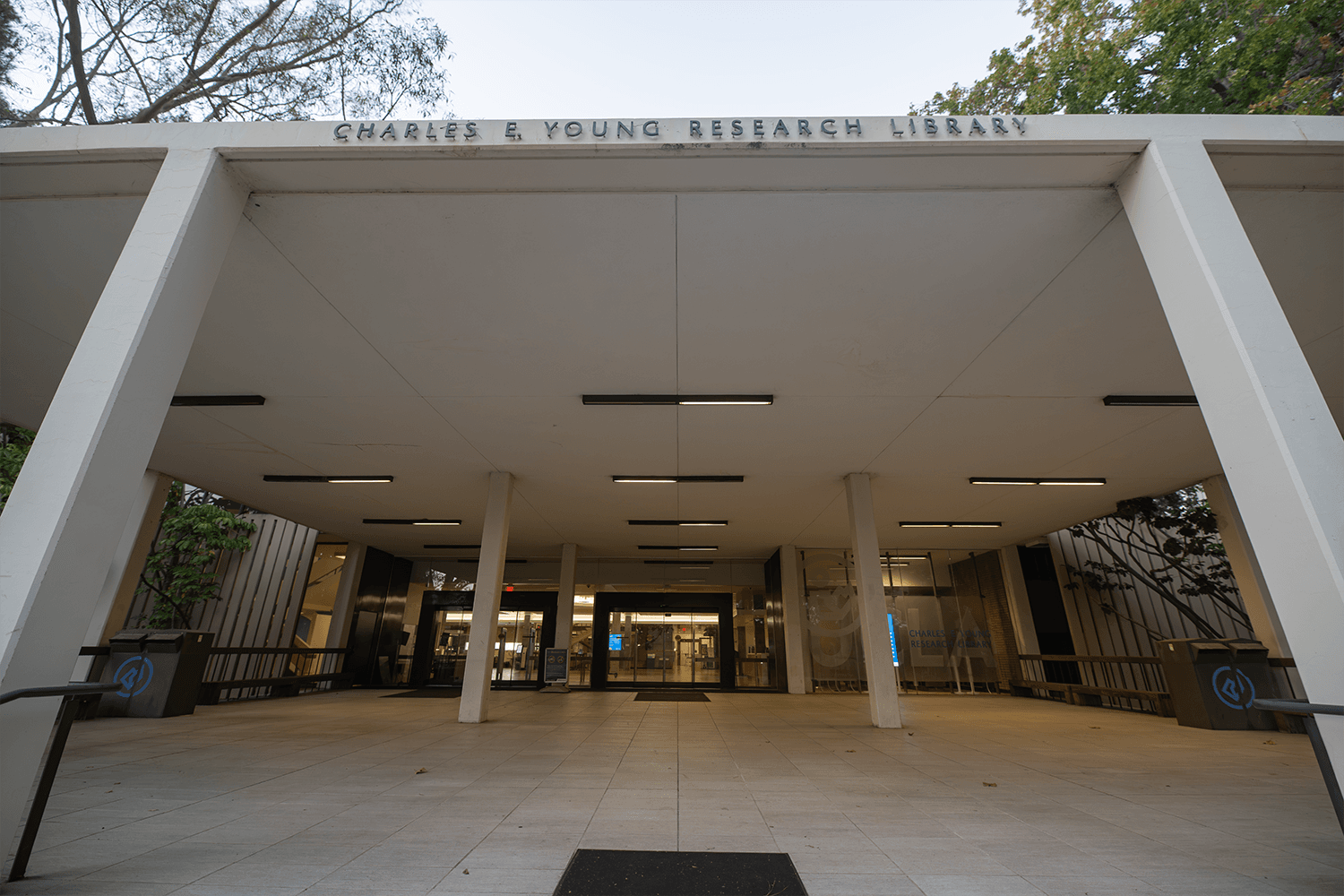
Oct. 26, 2026 12:18 a.m.UCLA Library’s Data Science Center closed amid consolidation effort
UCLA Library dissolved its data consultation center and stopped offering data analysis services in August.
The university consolidated the Data Science Center into UCLA Library’s research services unit as part of a broader effort to restructure the department, a UCLA Library spokesperson said in an emailed statement.
By Ella Thomson
Arts
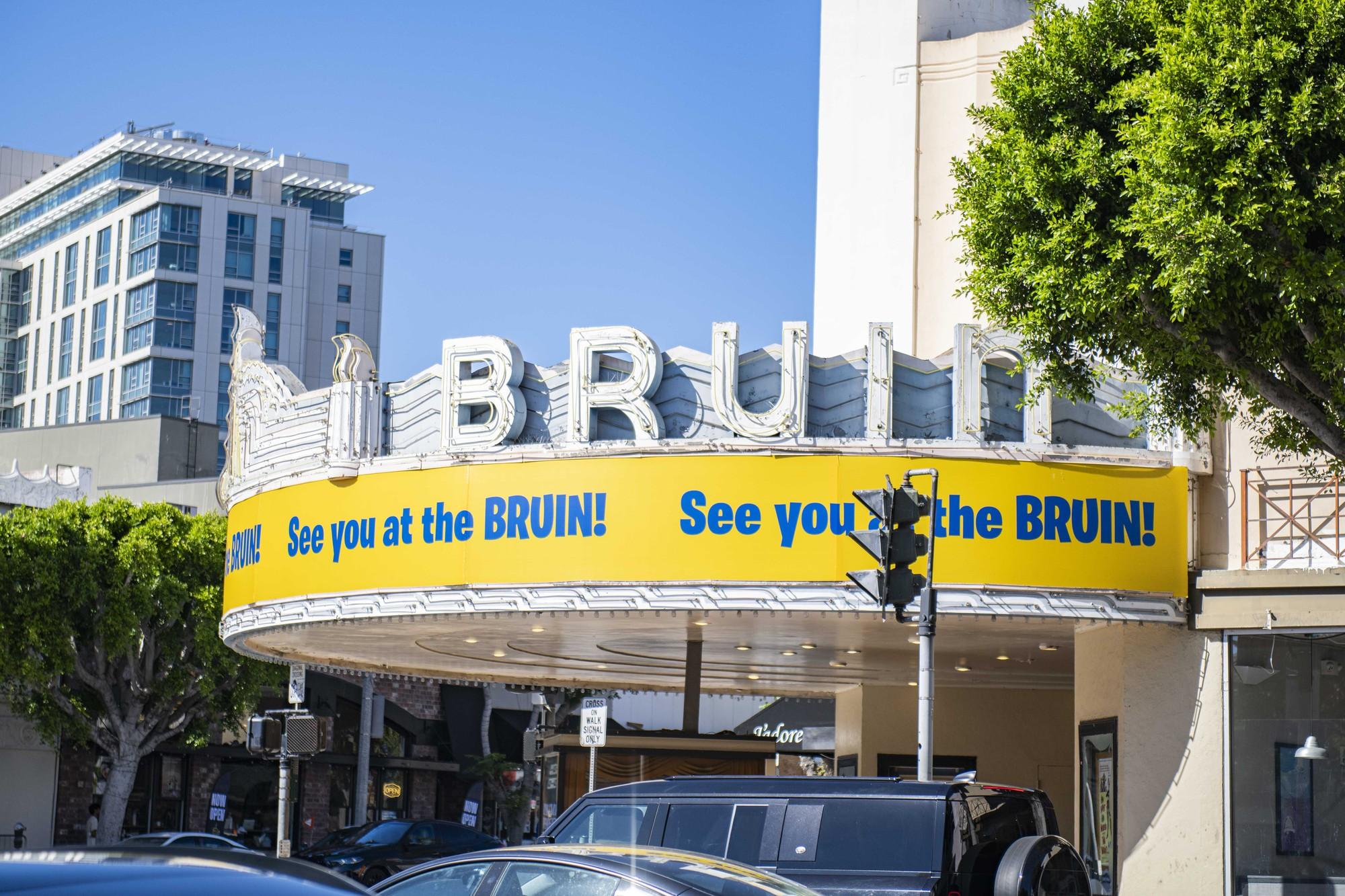
Oct. 25, 2026 9:31 p.m.Bringing culture with it, the Bruin Theater reopens in Westwood
A historic Westwood theater returned to the spotlight Friday.
For UCLA students, the Bruin Theater’s reopening offered more than a chance to watch a movie. It marked the return of a historic movie palace that first opened in 1937.
By Presley Liu, Julia Kinion, and Sophia Pu


searching for more articles...